Website Design
How long does it take to build a website? A clear timeline
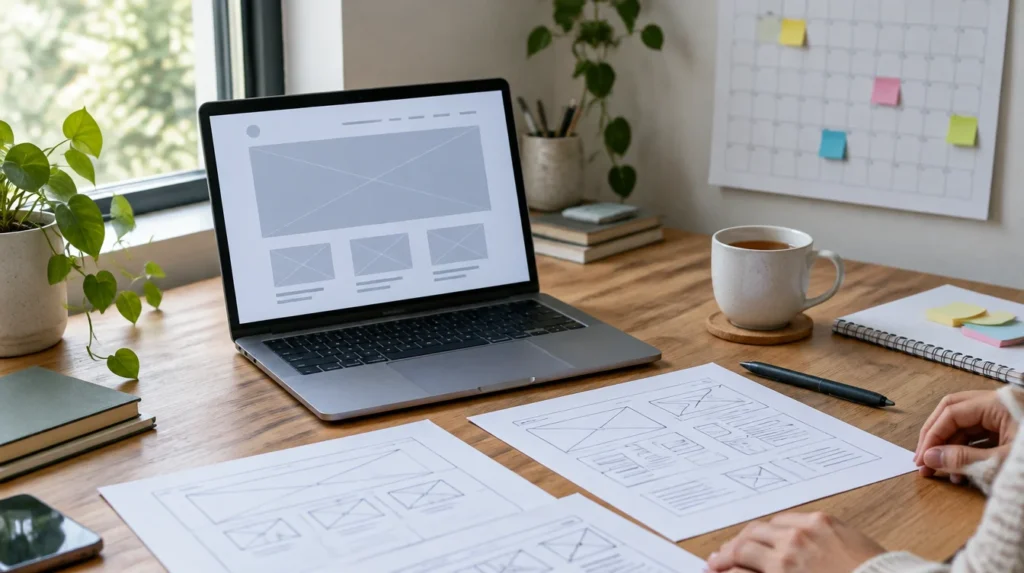
How long does it take to build a website? For a small business site with a handful of pages, it usually takes a few weeks from first talk to launch. A larger site or an online shop takes longer. What slows most projects down is not the building itself, but waiting for content, photos and decisions.
Here is what happens in each stage, what makes a project faster or slower, and how to plan your launch date.
How long does it take to build a website for a small business?
There is no single answer, because “a website” can mean very different things. A simple way to think about it:
- One-page site or landing page: often ready within days to a couple of weeks, if the text and images are ready.
- Small business site (home, about, services, contact and a few more pages): usually a few weeks.
- Larger site with many service pages, several languages or a blog: often one to a few months.
- Online shop: depends on the number of products, payment and delivery setup. Plan for longer than a normal site.
These are typical ranges, not promises. How long it takes to build a website in your case depends on the scope and on how fast both sides move.
The stages of a website project, step by step
Almost every professional website goes through the same stages. Knowing them helps you answer “how long does it take to build a website” for your own project, and see where the time goes.
1. Brief and planning
You explain your business, your customers and what the site must do. The designer then proposes a page list, called a sitemap, and the main goal of each page. This often takes a few days, sometimes a week.
2. Content
Text, photos, logo, service details, opening hours, team info. This is the stage that most often delays a project. If you write the texts yourself, start early.
3. Design
The designer creates the look of the key pages, usually the home page and one inner page first. You review, ask for changes, and approve. One or two rounds of feedback are normal.
4. Development
The approved design is built into a working site. Pages are created, forms connected, and the site is made to work well on phones. Mobile matters, because many visitors will see your site on a phone first.
5. Testing and launch
Links, forms, speed and display on different devices are checked. Then the site goes live on your domain, and basic tracking is set up so you can see visits and enquiries from day one.
What makes a website take longer
Delays rarely come from the code. They usually come from these:
- Content arrives late. Designers can build around placeholder text, but they can’t finish without the real content.
- Too many people decide. When several partners or managers give feedback separately, rounds multiply.
- The scope grows. “Can we also add a booking system?” halfway through resets part of the plan.
- Slow feedback. A design waiting a week for approval adds a week to launch.
- Extra languages. Each language needs its own translated and checked content.
- Special features. Online booking, member areas or connections to other software need planning and testing.
How to get your website built faster
How long does it take to build a website when you prepare well? Usually less than you fear. A little preparation before the project starts saves a lot of time:
- Collect your content first. Write a short text for each service, gather good photos and your logo files.
- Pick one decision-maker. One person collects feedback from others and sends it in one message.
- Share examples. Send links to two or three sites you like and say why. It speeds up design a lot.
- Agree on the scope in writing. List the pages and features. Add extras in a second phase after launch.
- Set review days. Reply to each design round within a day or two.
A good rule: launch a solid first version, then improve it. A website is never really “finished”, and that is fine.
Website builder or professional web design: which is faster?
A DIY builder can put a basic page online in an afternoon. That is real speed, and for some very small projects it is enough.
The catch is everything around it: clear texts, a structure that guides visitors to contact you, good mobile display, speed, and basic search setup. Owners who build alone often spend many evenings on this, and some sites still don’t show up on Google afterwards. If that has happened to you, read our guide on why a website is not showing up on Google and how to fix it.
A professional project takes a few weeks, but you get a site planned around your customers, with less of your own time spent. Our website design service follows the stages above, with a clear plan from the start.
What to plan for after launch
Launch day is the start, not the end. In the first weeks after going live, plan for these:
- Google Search Console: Google’s free tool that shows if your pages are indexed and which searches bring visitors.
- Google Analytics: to see visits and which pages lead to calls or form messages.
- Google Business Profile: add your new website address so local customers can find it.
- Small fixes: real visitors always reveal a few things to improve.
Search visibility also takes time to build. New pages need to be found and understood by Google, which is why SEO is best planned together with the site, not after it. Our short guide to search engine optimization for small businesses explains the basics, and our SEO services can take it from there. To measure what the new site brings, our digital analytics team can set up tracking before launch.
Frequently asked questions
Can a website be built in one week?
A simple one-page site can, if all content is ready and decisions are quick. A full business site with several pages usually needs more time for design, feedback and testing.
What slows a website project down the most?
Waiting for content and feedback. Texts, photos and approvals cause more delays than design or development work.
Does a website start bringing customers right after launch?
Not always. Visitors from Google build up over time as pages get indexed. Ads or social media can bring visitors sooner while search visibility grows.
Should I wait until everything is perfect before launching?
No. It is better to launch a clear, working first version and improve it based on what real visitors do.
If you’d like a realistic timeline for your own site, tell us about your project and we’ll walk you through it.


